
Hi there, my friend.
I am such a procrastinator.
I admire people like my wife who are adept at getting started early on something and finishing well in advance. That’s just not how I operate best. I tend to focus most when deadlines are on top of me. That served me well in my journalism days, making me really effective when big breaking news hit. It can make things challenging in everyday life, however.
That’s why Veronica Llorca-Smith’s new book, The Anti-Procrastinator, caught my eye. In the description on Amazon, the book is described this way:
“This book is an open invitation to pause and look in the mirror to understand yourself better so that you can lift your anchors and live a more fulfilling life in alignment with your values and identity. It will dig deep into the root causes of procrastination and will help you create effective remedies to get stuff done based on the power of self-awareness.”
That’s right up our alley here at “Ask, Save, Earn.” We talk about how people have far more power over their money than they realize. Still, even when people do realize their power, they often don’t wield it. There are a million reasons for that, but simple procrastination is definitely a common one.
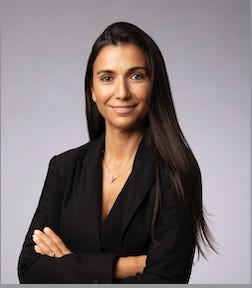
With that in mind, I reached out to Llorca-Smith — an author and public speaker who started her own business after two decades leading large teams in Asia Pacific for world brands such as Apple and Estée Lauder. She graciously agreed to answer a few questions.
Here’s the interview, which was conducted via email and very lightly edited…
Matt Schulz: My book was inspired by the fact that I’ve done a million interviews in my role at LendingTree saying that 75% of people who ask for a lower interest rate on their credit card get one, but far too few people ever ask. There are plenty of other examples like that in personal finance.
Why do you think so many people procrastinate about simple steps that can help them save or make money, even when they know they’re likely to be successful?
Veronica Llorca-Smith: Personal finance is an area in which people tend to procrastinate because it’s human nature to have a present bias and favor immediate comfort over future benefits. Saving money later feels abstract compared to avoiding the discomfort of filling out tedious paperwork now.
Just as with any activity that takes us out of our comfort zone, such as going to the gym, learning a language, or starting to invest, we often overestimate the effort required and underestimate the benefits. One workout, one lesson of Spanish, or investing in your first stock won’t move the needle in isolation, but it can make a huge impact when you take into account the compound effect.
Last, finance is a topic that intimidates many people and creates fear. The result is often analysis paralysis, as many people feel overwhelmed by the unknown. When I conducted interviews for my book, The Anti-Procrastinator, many confessed that the reason why they don’t invest their money is that they lack confidence and are afraid of getting it wrong. That fear prevents them from taking the very first step and getting started altogether.
MS: It is often said that people’s greatest financial asset is time. Knowing that, how damaging can procrastination be for someone who is trying to build a stable financial foundation?
VL-S: In the famous words of Kenneth Fisher, “Time in the market beats timing in the market.”
99% of Warren Buffett’s wealth was accumulated after age 50 because he has been investing his entire life.
When building your financial foundation, time is both your best ally and your worst enemy.
A mistake I often see friends make is keeping all their savings in their bank account instead of adopting a more diversified strategy or investing in a low-risk bond or real estate. People don’t realize how damaging time can be for your finances if you don’t use it to your advantage, simply because you don’t know better. $100 today will be worth less next year due to inflation, and if you procrastinate on finances today, you will pay an expensive interest rate tomorrow.
You don’t have to start big, but you can take incremental steps: Take a course on finance, talk to an advisor, follow the stock market, and ramp up your financial acumen today so that those same $100 can be worth more in one year.
MS: What are some steps that people can take to overcome their tendency to procrastinate?
VL-S: In my book, I talk about the power of proximity and social gravity. Depending on what you struggle with, a great way to overcome procrastination is by surrounding yourself with people who share a similar goal and are working towards it.
If your goal is to stay fit, join a run or a Xfit gym and sign up for a group program.
If you want to become more financially savvy, join a cohort for beginners where you will share experiences, learn together and keep each other accountable.
Another effective strategy is to set clear timelines to create a sense of urgency. For my first book, I announced on LinkedIn that I was going to publish it by the end of 2023. Sure enough, in December of that year, the book was out on Amazon.
You can do the same with your finances and set a goal for yourself, such as completing a finance course, opening a trading account, or having your first call with a financial advisor by the end of the month.
MS: What spurred you to write a book about procrastination? Is it something you or someone you love struggles with or has previously struggled with? (Any stories you could share about your own successes/missteps would be amazing.)
VL-S: I have always loved the topic of productivity, but I wanted to stay away from toxic productivity and the unhealthy hustle culture that often leads to frustration and burnout. I wanted to bring a fresh and positive approach and address procrastination without making people feel guilty.
Procrastination is normal and part of human nature, and we have to understand its root cause to overcome it. My book is an invitation for people to reflect and conduct a personal audit by looking inside, understanding, and debunking their fears and limiting beliefs, so that they can lift their anchors and sail towards their goals.
The funny thing is that I’m both the biggest procrastinator and the biggest anti-procrastinator at the same time. When it comes to exercising, writing, and doing my creative work, I don’t need any external motivation, and I’m extremely driven. However, when it comes to things that I find tedious (like bureaucracy or admin), I tend to postpone them and leave them for tomorrow. Writing my own book helped me identify my blind spots more clearly.
One fun fact about procrastination is that many type-A personalities (like myself) are passive procrastinators. We have an endless to-do list, and we are always busy ticking off the items. However, we tend to create a culture of busy-ness to avoid the unpleasant tasks that give us anxiety or boredom. Lying on the couch is the classical stereotype of procrastination, but it is much more complex and sophisticated, and you could still be procrastinating even though you are running 100 miles an hour.
MS: How can someone use self-awareness to define and pursue their financial goals more effectively?
VL-S: Self-awareness is your biggest tool for personal development and the same applies to financial acumen. A powerful starting point is to ask yourself some uncomfortable questions:
What does a great retirement life look like to you?
Do you have a plan to make it happen?
Are you thinking long-term with your financial decisions today?
What is one skill you need to develop in order to make better financial decisions?
It’s important to identify your blind spots so that you can find the remedies or seek external help.
MS: How important is goal-setting and accountability when it comes to avoiding procrastination?
VL-S: In my book, I talk about Parkinson’s Law: Work expands to fill the time allocated to it.
The same applies to any other task that we procrastinate with. When dealing with people and projects, I never use the term “ASAP” because it doesn’t mean anything; it’s vague. If you want things to happen, create a timeline, put it in the calendar and hold yourself and others accountable to it.
Accountability is key to overcoming procrastination, but I prefer to turn it into something positive and create peer-to-peer support and motivation, rather than focusing on negative consequences.
The best way to beat the procrastination monkey is to be crystal clear and honest with yourself about your goals but also your demons, so that you know where resistance is coming from. Once you have full clarity, accountability is only between you and the person in the mirror.
Hi Matt,
Thank you for this collaboration and it was great to connect our topics of procrastination and financial management.
Cheers!