
Hello, my friend.
Rachel Lipson once had a five-star hotel surprise her with room keys printed with her wedding photo. She’s talked her bank into waiving a late fee. And she nearly got hauled off to a Hungarian jail over a subway ticket.
Rachel is a Brooklyn mom of two, a two-time entrepreneur and the founder of The Point here on Substack, where she helps people use points and miles for elevated travel. (Her post “Every Tool I Actually Use To Travel With Points” is a great place to start.)
One thread that runs through all of it, though, is how comfortable she is asking for things. That’s the whole idea behind Ask, Save, Earn, and Rachel has plenty of wisdom to share, including the importance of knowing what to let go.
Here’s what she had to say…
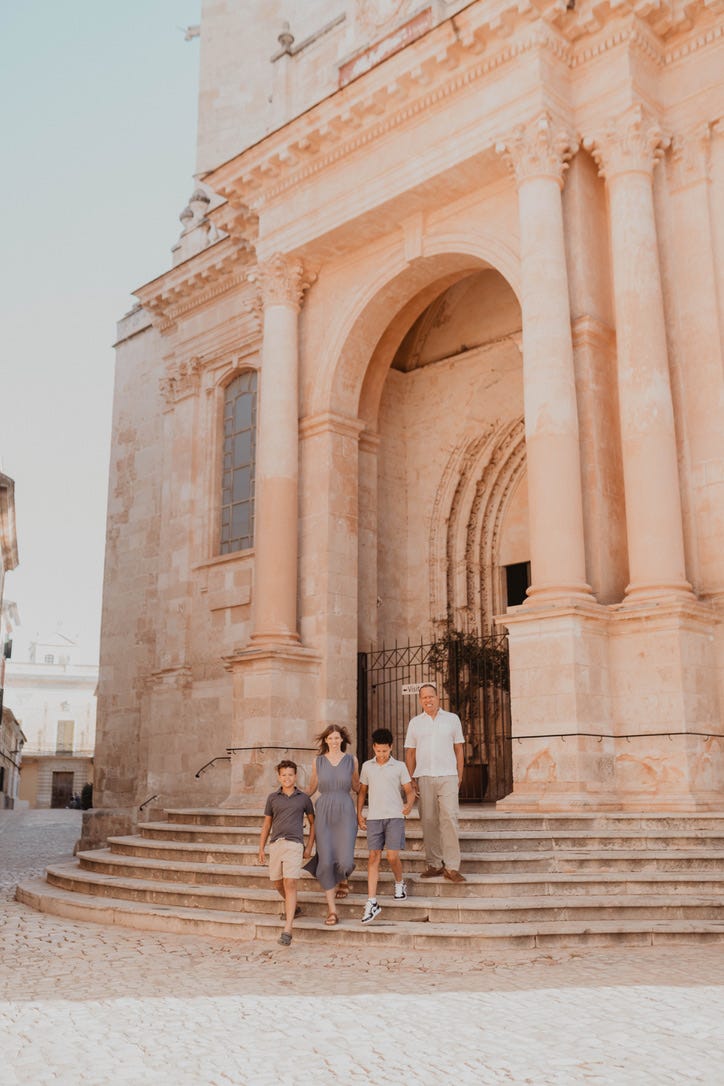
Matt Schulz: First, tell me a little bit about yourself and your Substack, please.
Rachel Lipson: I am a two-time entrepreneur and Brooklyn mom of two boys. I spend most of my time now building The Point and writing this newsletter to help people use points and miles for elevated travel. I also founded a songwriting school for kids while in my 20s that now has a team that runs the day-to-day. This newsletter came out of an article I was featured in two years ago in the New York Times about airline loyalty and points travel. It linked to the mailing list on my website –– but I didn’t actually have a mailing list set up! Over a thousand people signed up from that article alone the day it was published, so I ran up to my hotel room and started a Substack!
MS: My Substack and my book are about helping people pay less, earn more and keep more of their hard-earned money by asking the right questions in various everyday situations, including travel. Do you have any examples in which you’ve helped yourself while traveling simply because you were willing to ask?
RL: It is so important to advocate for yourself for the small things and the big things! Over the course of a lifetime, small savings can add up to a lot.
Before every trip, I take a few minutes to reach out to the hotel in advance. I introduce myself, mention if I have any status with the hotel brand and let them know if there’s anything we’re celebrating to give them an opportunity to prepare. We’ve received incredible upgrades, gifts and treats. When we stayed at the Park Hyatt Zurich over our anniversary, the hotel surprised us with custom key cards with a photo of us from our wedding they found online!
MS: I love the hotel story. When you reach out to the hotel beforehand, what exactly do you say? Do you ever explicitly ask for anything, or do you just let them know about your status and the occasion and see what happens? And have you found that higher-end hotels are more likely to give you special treatment, or would your standard family hotel do that as well?
RL: I tend to do this at 4- and 5-star hotels. The higher-end hotels will be more likely to do something special for you, but any hotel can give you an upgrade. If there is something specific I really want, I might ask for it. For us, that’s usually an ask for a high floor, more light and space. Having status helps, even low-level status, when making these kinds of requests.
MS: What’s the biggest misconception people have about points and miles? And what is one thing you wish everyone knew before they jumped into credit card rewards?
RL: The biggest misconception is that you have to spend a fortune or carry credit card debt to accrue a lot of points. Because having multiple credit cards is the foundation of points travel, it’s important to be extremely responsible and always pay your balances in full each month. And while it may seem like you would need to spend hundreds of thousands of dollars to earn hundreds of thousands of points, by taking advantage of welcome bonuses on new credit cards and being strategic about which card you use for your spending, you can quickly accrue points on the money you already are putting on credit cards.
MS: You’ve written a lot about traveling with your kids. What advice would you give to parents of school-aged kids who want to travel more on miles? That’s something my wife and I struggled with when my son was younger because school schedules meant only traveling in peak periods, for the most part.
RL: I hear the sentiment a lot that points can only be redeemed during off-season travel, and it’s just not true. We have taken the kids to dozens of countries around school breaks and summer vacations, always using points and miles!
While the popular travel times can make the searches a bit more competitive, the low fares can pop up anytime! I always recommend beginning your search far in advance, and if you’re unable to, have some flexibility around dates or locations. That may mean searching for a beach trip in February but being flexible about the destination. It can be hard to find good redemptions if you have absolutely no flexibility with dates, location, time, stops, etc., but even then it’s not impossible. We always find something!
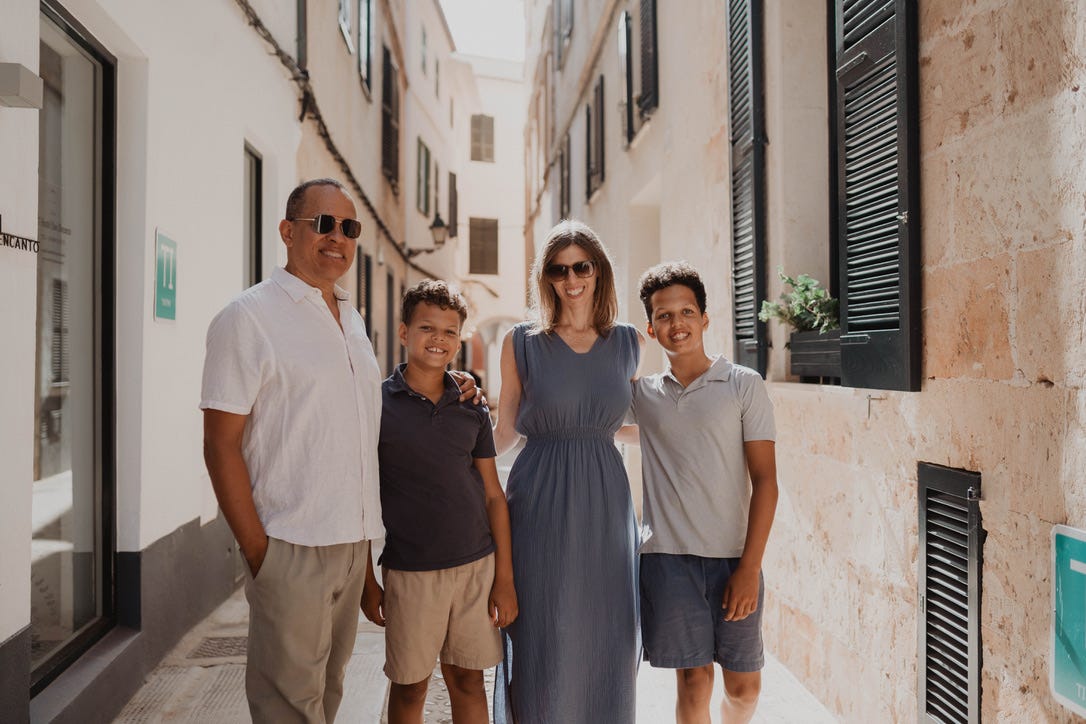
MS: What’s the biggest mistake you’ve ever made while traveling? And what did you learn from it that can help others avoid doing the same thing?
RL: One of the biggest mistakes we made while traveling was probably the time we bought tickets to the Budapest metro but got on the train without validating them. A transit officer stopped us on our way out of the station and threatened to take us to jail if we didn’t pay him on the spot. We didn’t have a ton of cash on us, but he accepted what we did have and let us go. The kids were back at the hotel with a local babysitter, and we could have very easily ended up in a Hungarian jail! Now we try to read up on the transit rules and customs before hopping on the train.
MS: Are you naturally comfortable negotiating with people and asking for breaks? For example, have you ever called a business and asked them to lower your cable bill, waive a late fee or something along those lines? If you have, I’d love to hear a success story from you. If you haven’t, why not?
RL: I am not afraid to ask for things. I’ve learned over the years that it’s better to speak up in the moment than to be full of regret and resentment. Sometimes that means asking for a better table at a restaurant away from the noisy host stand; other times it’s asking for a refund when something goes wrong. I once missed a card payment (once!) because I thought auto pay was set up and it wasn’t. Aside from the interest, a late payment can really do damage to your credit score. I called the bank and let them know it was an accident; they reviewed my account and waived the fee. It’s always worth it to ask!
MS: I also love what you said about not being afraid to ask for things. When you’re asking a company to make an exception, what’s your approach? Do you have a particular way you phrase the request that you think makes someone more likely to say yes?
RL: I see asking a company to do the right thing is an important part of self advocacy. I lean into the things I did right, point out where things fell below expectations or how my track record shows it was an honest mistake. That said, part of getting a company to do the right thing is knowing when to ask, and when to let things go. A late fee on a credit card is worth fighting, a day of missed turndown service at a hotel may not be.
MS: Is there anything around the power of asking questions, travel and money that I haven’t asked that you’d like to add -- or anything you’d like to emphasize?
RL: As someone who carries a lot of guilt around spending money, I have found it helpful to think of points as a currency earmarked for travel that would be unwise to use for anything else. With this mindset, the question is where should we go, not whether we should go.
Until next time!
Matt