
Hello, my friend.
Losing a parent can be overwhelming at any age, and my wife and I have felt that acutely. In the past five years, we’ve lost my father, my mother-in-law and my father-in-law — the latter of whom passed just a few months ago. Each experience has been quite different, but they’re all awful and draining.
While each loss has been hard in so many ways, I’ve been incredibly fortunate that I haven’t had to support my parents or my in-laws financially. Both my father and my father-in-law had pensions (either from the government or from private companies) that have helped immeasurably, and they also had savings to lean on.
I am keenly aware that million of Americans aren’t that fortunate — a recent survey from LendingTree showed that about half of Americans either currently financially support their parents or expect to do so in the future. That can turn many people’s golden years into an enormous financial struggle while also leaving their kids with a financial burden that limits their ability to save for their own retirement.
Given that pensions are largely a thing of the past in the private sector and that most Americans don’t have a nest egg big enough to allow them to retire, the number of Americans who have to support their elderly parents financially is almost certain to grow.
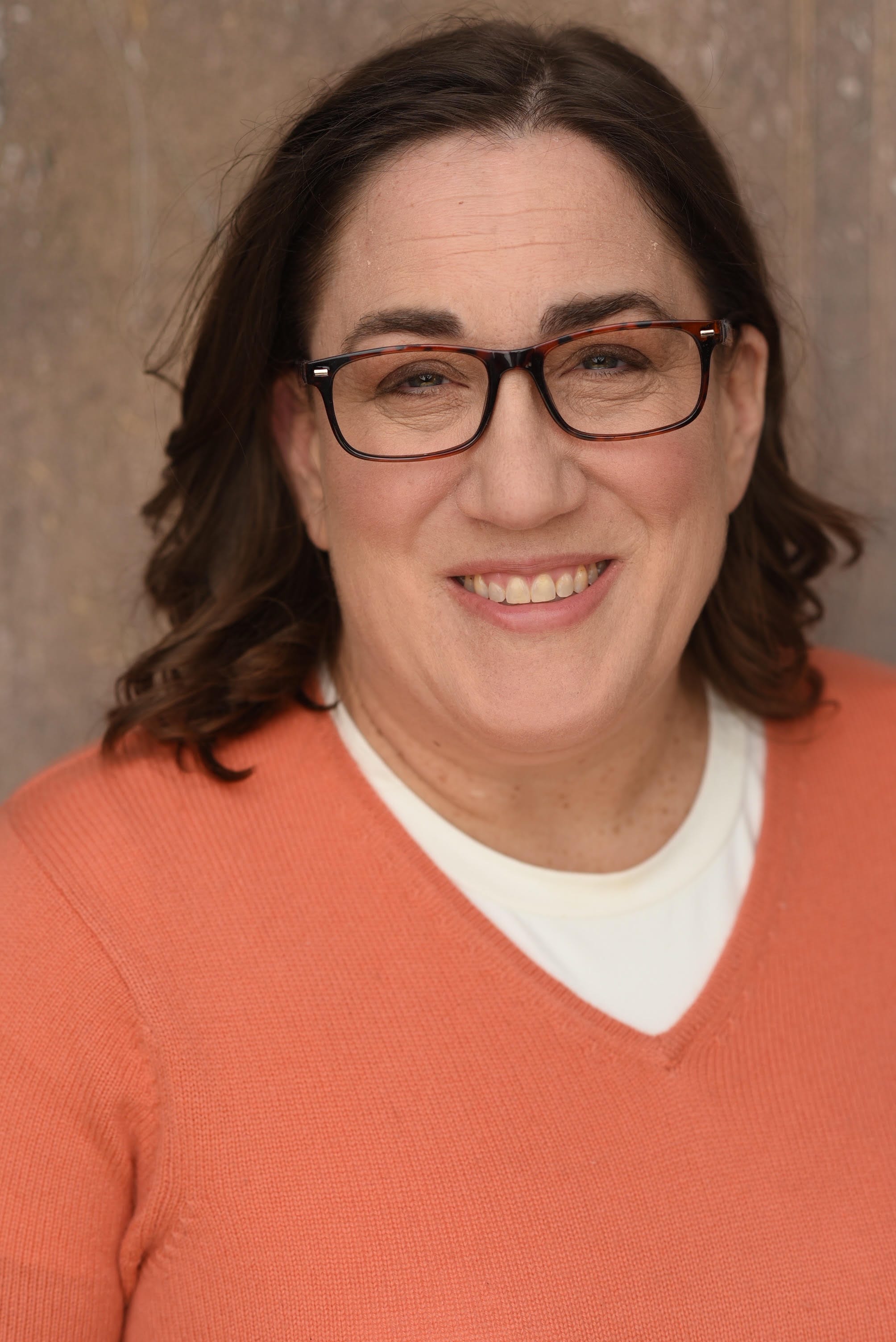
My friend Beth Pinsker knows the struggle of being a financial caregiver for a parent, and she detailed what she went through in her wonderful, heartfelt new book called, “My Mother’s Money: A Guide To Financial Caregiving.” Beth is a financial-planning columnist at Marketwatch, a certified financial planner and one of the savviest people in all of personal finance. She does an incredible job of not only sharing her own experience with her mother but of also laying out everything you need to know about helping a loved one through financial planning at the end of their lives.
As her book release day approached, I asked her if she’d be willing to answer a few questions for my “Ask, Save, Earn” readers and she was nice enough to say yes. Our lightly-edited e-mail interview is below, including very kind words from her about the impact that my book had on her in this process.
MS: What inspired you to write your book?
BP: As soon as my mom had surgery, I started writing about the financial caregiving I was doing. Mostly, this was because my day job was writing a retirement column for MarketWatch and my brain was mush for anything else. People responded so positively that I kept going, and eventually, there was enough there for a book.

MS: For those who anticipate supporting their parents in the future, what are the 2-3 most important things they can do today to prepare?
BP: Start having family conversations if you think your parents are going to run out of money. You have to know what you’re in for. And know, first of all, that you don’t have to put your own money toward this. First, spend your parents’ savings on their own care, then see what government benefits might be available. A spend-down over five years to qualify for Medicaid might be your best option, because very few fortunes can handle years of full-time care.
MS: How do you suggest people approach that first talk with their parents about money? That can be a terrifying conversation to have, especially if you don’t consider yourself to be super money-savvy?
BP: Small steps. Wait for your opening. In my book, I leaned on Cameron Huddleston, author of “Mom and Dad, We Need to Talk,” as the expert on the conversation. I also tested the advice on a friend, who couldn’t get his mom to let him help. But then she made a mistake with her RMD, and he used that as an opening for dialogue.
(Editor’s note: RMD is short for required minimum distribution, which is the amount you have to take out annually from certain retirement plans after you reach age 73. Additionally, I spoke with Cameron for my book as well. She’s amazing and her Substack is definitely worth a follow.)
MS: What was the biggest mistake you felt you made as a financial caregiver for your mom? And what can others do to avoid making the same mistake?
BP: I made what I call miscalculations, not so much mistakes. There was money left in one checking account that did not have proper beneficiaries named, so we had to go to probate for it. It was an annoyance and an extra cost, but it’s hard to do everything perfectly.
MS: There’s a chapter in your book called “Make Peace With Spending Money.” So many people struggle with the opposite problem — they feel they need to make peace with not spending as much money — which made it very interesting to hear about your struggles with spending. How did you struggle with spending money when taking care of your mom, and what advice would you give to others who are having the same issue?
BP: My mom’s care seemed so expensive to me. It was much more than my normal household budget. It seemed like we would run out of money quickly at that rate. Watching accounts dwindle and letting them get to zero was scary for me. I like a cushion. But that’s what the money was for, and I had to keep reminding myself of that.
MS: Caregiving, financial or otherwise, is incredibly daunting. It is easy to get overwhelmed, even for someone like you — a certified financial planner, an accomplished journalist and just a very smart, savvy person who made a career talking about money. How did you deal with the magnitude of it all from a mental health standpoint?
BP: I ate a lot of junk food, which I’m still trying to work off now. I also leaned on support systems I had built up with a therapist, friends and structure in my life (and medication). For women caregivers in particular, the caregiving task tends to hit at the same age as menopause and having teenage children. It’s a maelstrom of emotions even on a good day.
MS: What’s the single most important thing you want someone to take away from your book?
BP: I want people to understand the “why” of it all and see how the pieces fit together. When people normally hear estate planning, they turn off. But if they hear “do these things to help the people you love,” you get a better reaction.
MS: Is there anything I haven’t asked that you’d like to add, or perhaps anything you’d like to emphasize?
BP: I learned from your message about asking for better deals and not taking “no” for a first answer. When you are a financial caregiver, you have to negotiate a lot of bills and wrangle with many different institutions. Sometimes people are afraid to ask for better terms or for the deal that they need. You always do better if you ask.
Do you support your parents? Tell me your story
If you’re financially supporting a parent or expect to someday, I can’t recommend Beth’s book highly enough. It’s not only loaded with useful, practical information, but it is also a heartfelt, emotional story of Beth’s own experience with her own ailing mother. It really is an extraordinary book.
Share your story below. How are you planning to potentially help your parents? Have you spoken with them? Do you already help them, and if so, what wisdom can you share?
Until next time!
Matt